Caribbean Film Culture: A Matter of Perspective & Power
You’re a part of the marketing machine for US pop culture, use your power for good – and for your people.

I have never read a review before watching a film, not on purpose anyway. In the era before Netflix became the go-to platform for my consumption and the trailer auto-play feature became a part of the scrolling experience, I often wouldn’t even watch a trailer before diving into a series of film. The logline (description) was the only element influencing my viewing.
Then it became commonplace for everyone to live-tweet and critique everything they watched. Consequently, my viewing experiences and decisions became more induced by external forces, making it harder to click play without even the tiniest bias.
It gets easier to accept this as truth the more communal viewing and cultural film discourse shows up in my life. I’ve seen the power of encouraging Black voices to lend their perspective to our stories and stories that are meant to reflect how we live. Netflix’s Strong Black Lead carries influence in that space. Their approach to community engagement made it so you and I can be a visible part of Black film culture.
The power means better discoverability for Black titles. I wouldn’t have watched Bridgerton if not for my Twitter timeline, curated to surface voices I appreciate and trust. Sorry, Shonda. We rely on the conversations that happen in social spaces to “cut through the noise” of the thousands of pieces of content vying for our attention daily. So do creators. Good or bad, our comments are a part of the marketing machine for pop culture products.
Sam Levinson’s Malcom & Marie starring Zendaya and John David Washington as the titular characters made its debut on Netflix on Friday, February 5. On Friday night, after an extremely long day, I shared out my dinner, logged into Netflix and started watching. 11 minutes in, I realized I was just too tired for something that heavy. I found something light to get me through my meal then went to my bed.
I had noticed though, that Strong Black Lead was live tweeting the film with memes, gifs, retweets of reactions from folks watching, while inciting Mac and Cheese debates. The Friday night watch party was only a part of the roll-out that also included a Clubhouse conversation with actor-producer Zendaya and director Sam Levinson, and an interview with Zendaya on Strong Black Lead’s podcast Okay, Now Listen. The push isn’t surprising, Netflix spent $30 million to acquire Malcom & Marie.
The next morning, I woke up to several conversations happening around the project. There were those who hated it (obviously, it’s Twitter!), those who loved it, those who made fun of industry folk telling them that they just didn’t get the film, and those who were going deep into themes like relationships, misogynoir, abuse.
That last point also surfaced the issue of films needing to include trigger warnings in opening titles. Then, as the weekend progressed folks turned their criticisms to director Sam Levinson and his seeming obsession with Barry Jenkins.
On Monday morning, I still haven’t finished watching the film, but I have a pretty good handle on the larger and varying sentiments among Black folk around Malcom & Marie without reading a single published review by a large publication.
While my aversion to reviews is complex and evolving, it’s mostly rooted in the perspective that they’re usually written from and the author’s motivation. Just like Hollywood, film criticism is so white! I’ve already heard the voices that matter to me on the aforementioned film. If a Black film critic pens a piece that takes a look at the title from a cultural lens and I see it, I’ll give it a read.
Since the summer of 2020, I’ve been bemoaning the sporadic nature of this kind of conversation around the releases of Caribbean films. I only have two examples of titles made to tell Caribbean stories with similar distribution reaches – Sprinter (Netflix) and Small Axe (Prime Video).
Sprinter made its Netflix debut in April 2020 to US audiences only. After having to bad up Netflix for the film to be available in the Caribbean and Canada, Jamaican Twitter did show out with the commentary about Akeem (Dale Elliott Jr) and using the official hashtag. There was noise, there were meme-worthy moments, and the film did trend.
But Sprinter is the outlier – the exception to the rule because it was distributed on a platform most of us use. Among the comments were the usual “we need more quality films like this” calls to action. Hello!? One thing about Caribbean filmmakers, they’ve been pumping out quality work over the last decade.
Organizations like FILMCO (Trinidad) and JAFTA (Jamaica) have been helping filmmakers upskill in technical areas and get into the right industry rooms with much success. While you’ll find more shorts than features coming from the region, at a lower volume than Hollywood, we need to drop that whole “quality” narrative, focus our attention on distribution, and watch more Caribbean films.
Caribbean streaming services are curating the best of the bunch for us, they need our support and patronage. For half of what you pay Netflix monthly, you can get access to 100+ Caribbean titles on any of the 5 Caribbean-only streaming services.
Caribbean filmmakers need access to the power you have to get more eyes on their work through conversations. Get the members of your group chat or Clubhouse room together and host a watch party, live tweet it, tag the creators! Even if what you have to say about a piece of work isn’t praise, just talking about the works of your people can do so much.
Take it a step further and leave a review for the film on platforms like IMDb or Rotten Tomatoes. When people outside the family review our work, they cannot speak on the cultural nuances in the imagery or dialogue (certainly not the dialogue!). There is no balance. The overarching effect is that folks who do read reviews will turn away from our titles in droves, perpetuating the cycle of low visibility.
Hollywood types get the chance to squander marketing budgets every year that some Caribbean filmmakers may never see in their entire careers. While our industry players work hard to improve their negotiating position so we can have access to more Caribbean films on larger platforms, let’s take care of our community and put our cultural cache and buying power behind our stories.
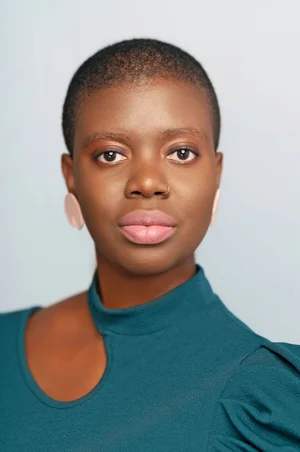
Rachel Osbourne is the founder of Isle + Indies Studios, and editor-in-chief of juliemango.tv. We are always looking for culture writers and content creators to cover Caribbean films, here’s how to contribute.
Follow juliemango.tv on Twitter, Instagram, and sign up for our newsletter.