In order to grow, the Caribbean film industry may need a studio system
While Caribbean filmmakers find creative ways to fund short- and feature-length productions year after year, the formation of production studios with executives tapped to oversee long term business planning could be the way to secure industry-changing investments.
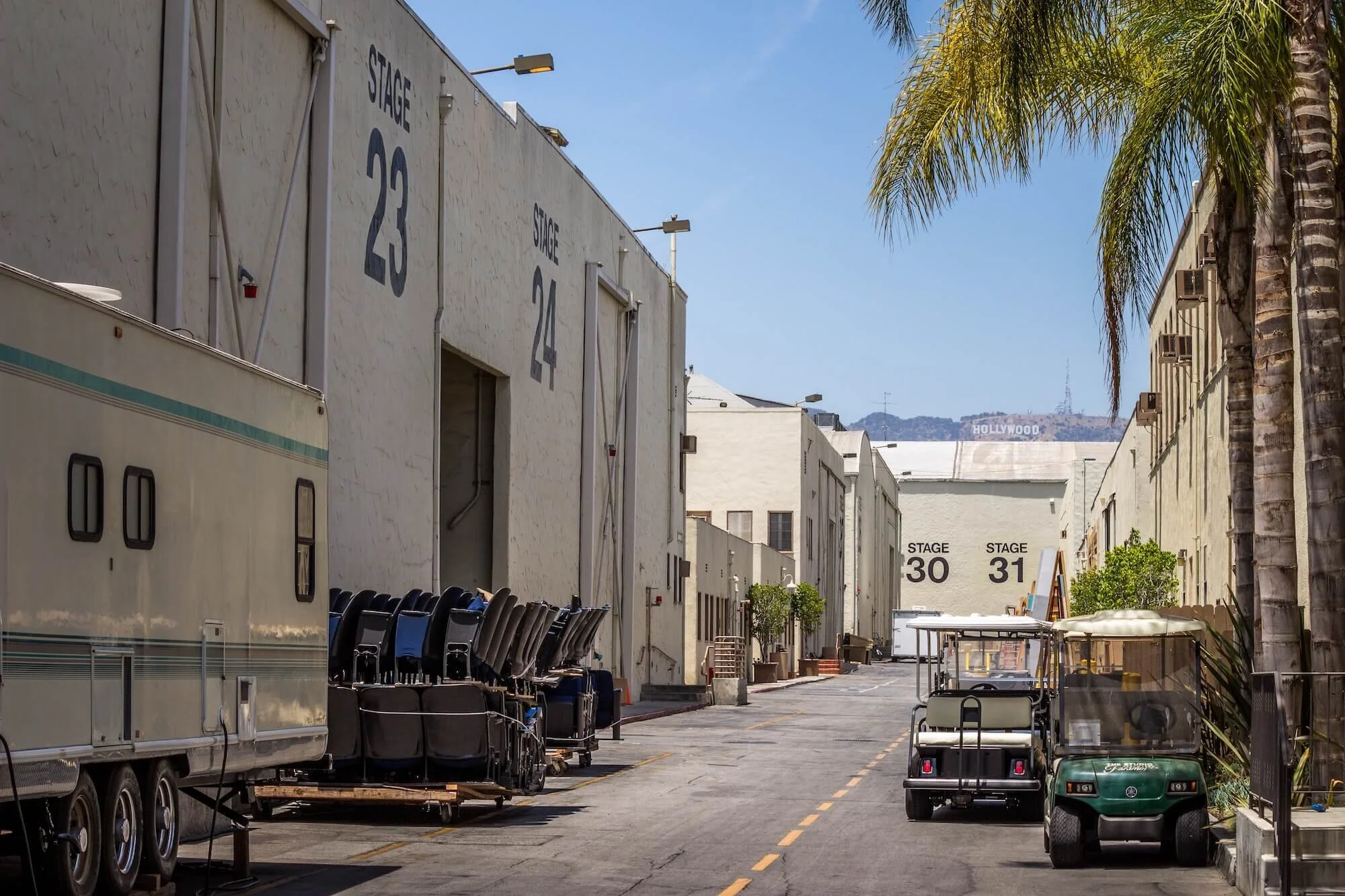
Photo Credit: Christian Joudrey
In a report issued by Film Commissioner at JAMPRO Renee Robinson, the Jamaican film industry has been doing relatively well since the onslaught of the COVID-19 pandemic, with 31 productions taking place between April and November of 2020. The report also stated that 954 jobs were generated during that period coupled with an estimated JMD$168+ million (unaudited), about USD$1.1 million, in film production expenditure.
According to Robinson, JAMPRO has been in talks with AMC/Shudder, BBC, Cartoon Network, Hulu, Marco, Netflix, and Tyler Perry Studios about placement of Jamaican content.
To bolster the region’s position in the global marketplace, filmmakers need the support and services of executives with experience in international film distribution and film sales who understand how to sell Caribbean content.
Upfront Costs of Series Production
Jamaican actress, film producer and Managing Director of Raw Management, Nadean Rawlins has identified a deficiency in funding as one of the main hindrances to the success of local productions.
“Right now, I’m working with a few script writers with brilliant stories to tell and then when I put budget together, we need the money to do it. We need to pay for the crew, we need to pay for the set…it comes down to the money. As a matter of fact, even with script development—to put a pool of writers or a writer in a space where that writer can create takes money because you want to put your writer in a space where they can be imaginative. For argument’s sake, if you want to put them at Treasure Beach (in St. Elizabeth, Jamaica) for the weekend, where they can create these stories, it’s gonna cost you,” she explained.
Rawlins, who is the producer and co-director of the drama series Traytown has over 20 years of experience in the industry. The short film pilot for her new series made its debut at the Trinidad and Tobago Film Festival in 2020.
The romantic drama series received endorsement by the Jamaica Promotions Corporation (JAMPRO), the Jamaica Film and Television Association (JAFTA) and the British Council who committed their support after reviewing the script at a script development lab. However, there is still a far way to go as more investors are needed to aid with distribution. The producers ran a Kickstarter campaign for series production that didn’t receive the requisite pledges to meet their goal of being fully backed.
“We have been seeking distribution through efforts of JAMPRO and when I attended the Rotterdam Film Lab, I was introduced to distribution agents, so there are conversations about distribution at this time. [The Traytown series] is really in development still, but sometimes distribution goes hand in hand with development – funding sometimes weighs heavily on distribution,” Rawlins added.
Longterm Investment Available for Studios
Managing Director at Jamaica-based Graft Ventures Dmitri Dawkins says his entity is prepared to invest in local production companies.
“From inception we've evaluated deals in the film industry. We believe that our creative and cultural industry has huge potential and that there is enough experience and talent to become a leading contributor to local and regional economic GDP. Based on our investment model we don't plan on investing in individual productions but instead focus on production studios or producers with a slate of productions,” said the Jamaican businessman.
Dawkins also noted that Graft Ventures understands that slow rate of gratification on investments but believes production companies will reap faster rewards versus independent producers.
“Graft Ventures invests based on a 10-year cycle – we're patient capital and don't rely on immediate short-term returns. We focus on studios because they should have more consistent revenues and continuous service execution vs. productions which have a short production time frame (18 months). If a producer had, as an example, 3-5 films and wanted to produce them over a 10-year period then we would also consider that approach. Finally for greater impact - funding studios allow major cap-ex (capital expenditure) investment in equipment, training and production capacity which will benefit the whole industry. Large feature films can have the same effect, but those budgets far exceed our current investment capacity in this sector (US$100M+),” he said.
The ‘Commercial funds Scripted’ Model
Trinbagonian commercial producer, and filmmaker Mikey Campbell noted that he and his colleagues have also been contending with issues that affect the recognition of their works.
While Caribbean-focused streaming platforms exist, filmmakers still have their eyes on services with a greater reach.
“[The biggest challenges are] getting T&T films on the ‘bigger’ platforms, getting the time slots for films to be consumed beyond our isles,” Campbell said.
He is the principal of Isolate Media and executive producer and filmmaker at AGCE—an entity with a collective of creatives.
Campbell worked on the set of 2017 movie Quick Pick which premiered at Trinidad’s Movie Towne cinemas.
Through profits made from commercial productions, Campbell, alongside his collaborators at AGCE can subsidize the cost of film productions. He believes this business model could also be used by other filmmakers.
“Well, AGCE as a collective is a main contributor of funds towards projects. So, the answer is yes -I would encourage other filmmakers to follow suit, because each individual of AGCE pool funds together month to fund productions,” he explained.
Isolate Media provides production packages to clients for ads, music videos, short films and other creative services.
Campbell added that the success of his operation lies within its uniqueness.
“Isolate Media is only identifiable by its tone, mood and color scheme that fits all genres of art, music, fashion, which also connects with humans on an emotional, physical and spiritual level,” he said.
The creative is geared towards using his platform positively. AGCE is currently creating a platform for all Caribbean films to be aired as well as an academy for actors and filmmakers.