‘Awa Brak’ reminds us that revenge is never the end of the story
This short film from Aruban director Juan Francisco Pardo is a character analysis of a young woman who must figure out how to deal with a past filled with abuse, isolation, and vengeance.
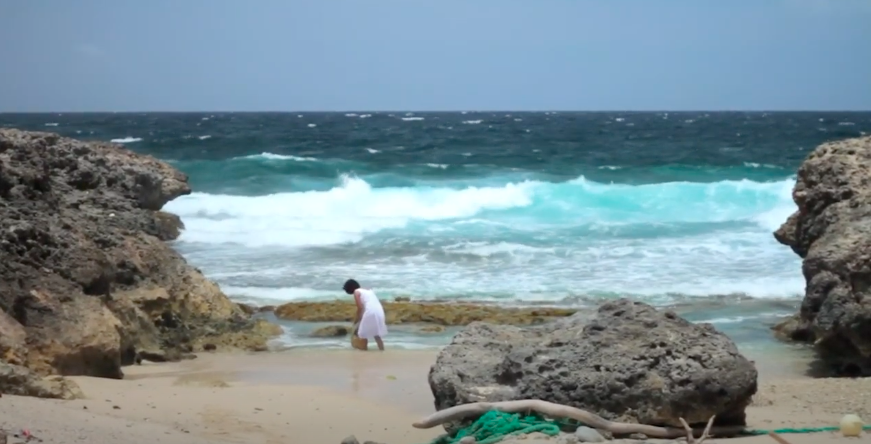
Films that are ‘heavy on the vengeance’ tend to wind us up for the revenge-climax from the very beginning so that we throw humanity to the wind, celebrating the inevitable destruction of the bad guy. Awa Brak, translated to Brackish Water, is not that film.
It’s a 10-minute examination of unhealed trauma manifesting as more trauma. The Papiamento-language film is completely narrated in the voice of Glenda (Jorina Werleman) with English subtitles and no dialogue.
Quick geography lesson. Aruba sits 29 kilometers north of the Venezuelan peninsula at the southern edge of the Caribbean Sea with almost 700 kilometers of sea between it and the next landmass, the Dominican Republic. Scientists say there is no fresh water on the Dutch Caribbean island, its groundwater contains salt, making it brackish – when a body of water has a mix of seawater and freshwater.
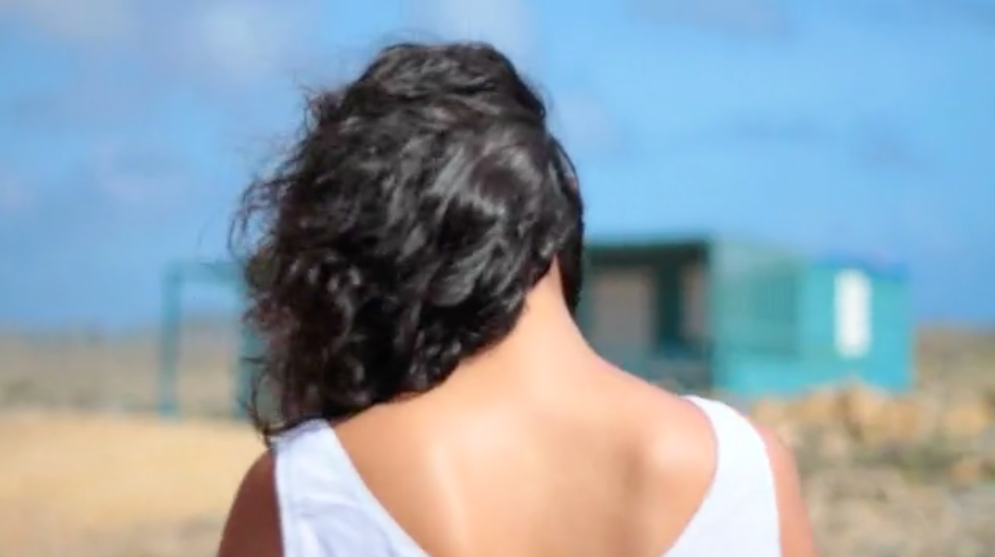
For most of Awa Brak, Glenda is in what seems to be self-imposed isolation. She lives in a wooden blue house with hardly a neighbor in sight, walking distance from her food source, shower, and washing machine – the sea.
Glenda’s life seems simple at first. What’s revealed is that below the surface lies unhealed child abuse, some version of guilt, and possible low self-esteem. While Pardo leaves a lot of questions unanswered, one thing is clear, vengeance here is bittersweet and its effects lingering.
Glenda appears apathetic, numb, and listless making her fight for freedom unsatisfying.
Watch free on Studio Anansi TV to see how Glenda parts ways with her folks.